What is a cork made of
Opening a bottle of sparkling wine can be quite an event when that cork pops out. But have you ever wondered why corks are so important in winemaking? What is a cork made out of? And why do they come in different shapes and sizes? Did you know, you can have natural, synthetic, or even glass corks?
Share this post
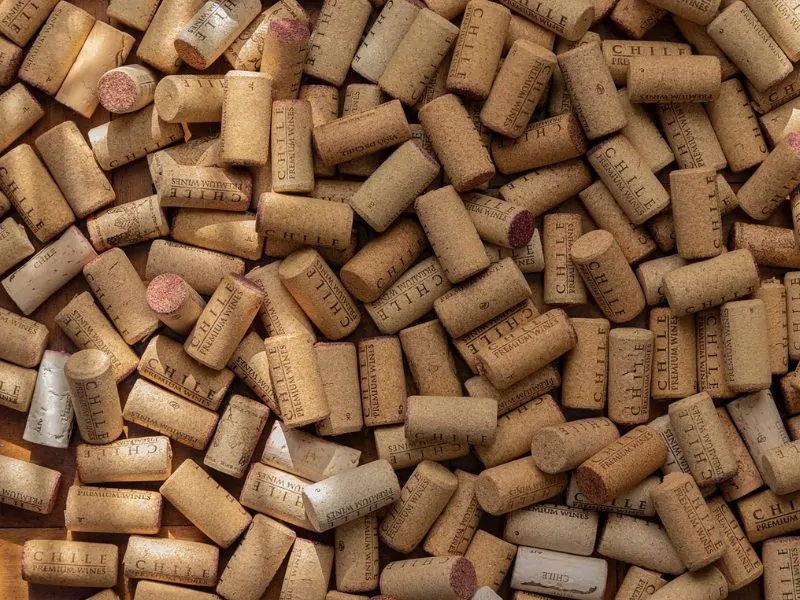
Kaj je vinski zamašek?
Najpomembnejša naloga vinskega zamaška je, da prepreči iztekanje vina iz steklenice, vendar je njegovo delovanje še širše. Glede na različne vrste zamaškov ti omogočajo tudi določen pretok zraka med vinom in okolico, kar prispeva k procesu staranja.
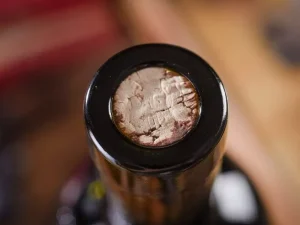
Iz česa je narejen zamašek?
Vinski zamaški so izdelani bodisi iz naravnih materialov iz plutovinastih hrastov bodisi iz sintetične smole, vbrizgane v kalupe.
Izum vinskega zamaška
Naravni zamaški obstajajo že stoletja, pravzaprav pa rastejo na plutovinastih hrastih še dlje. Veljalo je, da je šlo za izum benediktinskega meniha Doma Pierra Pérignona okoli leta 1680, pred tem pa so za zapiranje steklenic uporabljali namočene krpe.
Toda v zadnjih nekaj desetletjih je naravni zamašek dobil konkurenco v alternativnih zapiralih za vinske steklenice. Ta so postala priljubljena, ker so naravni zamaški, kontaminirani s TCA, pokvarili velike količine vina. Čeprav je bila ta težava od takrat odpravljena, so alternativna zapirala ostala.
Naravni zamašek
Naravni zamašek je še vedno ena najljubših izbir vinarjev. Gre za naravni material, ki je trajnosten in obnovljiv.
Ali ste vedeli, da zamaški rastejo na drevesih? Narejeni so iz lubja plutovinastega hrasta (Quercus suber).
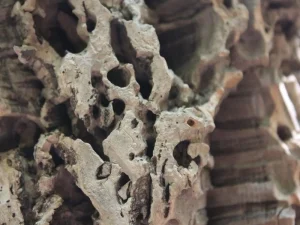
Ta zimzelena drevesa izvirajo iz sredozemskega območja. Plutovinasti hrast je eno najpomembnejših dreves na Portugalskem, kjer lahko najdete cele gozdove plutovinastega hrasta.
Plutovinasti hrasti lahko zrastejo zelo veliki in imajo debelo lubje. Zunanje lubje se nato za pluto pobira vsakih 9 do 12 let. Najboljše pri tem je, da med postopkom pobiranja ni poškodovano nobeno drevo. Za pridobivanje materiala za zamaške ni treba posekati celotnega plutovinastega hrasta. Postopek odstranjevanja zunanje plasti lubja se imenuje lupljenje plute.
Po odstranitvi plutovinastega lubja z drevesa morajo plošče plute počivati vsaj pol leta. V tem času se material razširi. Po obdobju stabilizacije se lubje plute kuha. S tem postopkom se pluta še dodatno razširi, odstranijo pa se tudi prah in druge nevarne spojine, kot je TCA. Nato pluto prenesejo na prost zrak, da se para izloči in da se material posuši.
Po sušenju pluto razvrstijo po kakovosti. Najkakovostnejša pluta se predela v enodelne plutovinaste zamaške, vendar lahko tudi pluta nižje kakovosti še vedno služi kot vinski zamašek. Zdrobijo jo v plutovinasti prah in jo ponovno zlepijo, da dobijo aglomerirani zamašek. Druge vrste naravnih zamaškov pa so izdelane iz več kot enega kosa, ki so običajno zlepljeni skupaj.
How wine corks are made
Cork is a very versatile material and extremely lightweight, so it’s not a surprise that cork production is a big industry. In recent decades it became more than just a bottle stopper. There are now so many cork products. It is used for isolation and flooring in homes, but also in fashion. Cork is the perfect natural material for sustainable fashion, they use it to make purses, sunglasses, and even jackets.
Synthetic Cork
Synthetic corks have been around for years. They’ve become popular after cork taint became a prominent problem. Even though the issue has since then been resolved, synthetic corks are still dominant in some parts of the world. They are also popular because of perceived consistency and lower cost.
Synthetic corks are usually made from synthetic resin and are designed to look and sound like a natural cork. A plastic stopper can be made by injection molding or extrusion.
There are two main varieties of synthetic cork, they can be made from plant-based plastic or petrochemical-based plastic. The latter type is made from plastic particles that are melted and transformed into a sort of foam to resemble natural cork.
In recent years plant-based synthetic corks have become more popular because they are renewable and have a more negligible environmental impact. They are made in a similar way to petrochemical-based corks, but the main raw materials here are sugar beets and sugarcanes.
Alternative wine closures
There are also other alternatives on how to close glass bottles, perhaps one of the most known are screw caps. They are widely used in New Zealand, where they even had an initiative promoting alternative wine stoppers over cork because of TCA.
Screw caps are made from aluminum. They are supposed to offer a tighter seal and better protect the wine from oxygen than cork.
Besides screw tops, there are also vinoloks, which are made from plastic and glass. They are a rather new product and only a few hundred wineries use this type of closure, mostly because they are expensive. But they are supposed to create a hermetic seal and protect the wine from oxygen and cork taint.
For still wines, winemakers can also use zorks. They are similar to screw tops but made out of plastic and rubber, they even pop just like a cork when opening.
In search of alternatives some winemakers also started to use crown caps, which you normally see on beers or sodas.
Advantages of Natural Cork
Natural cork is still the top-selling wine stopper in the world. Around three-quarters of wine bottles are closed with a natural cork. The reason behind this popularity is not so much the traditional aspect and the popping sound it makes when opened, but what it gives to the wine.
Natural cork contributes to the aging process of the wine. Cork while protecting the wine in the bottle allows just the tiniest amount of airflow. This is important because small amounts of fresh air help the wine mature and soften the tannins, without the negative influence of oxidation.
But there are also other advantages of natural cork. The material is very elastic and almost impermeable. Cork is easily compressed and inserted into a bottle, then expands and forms a perfect seal. This is very well seen with sparkling wines, where the bottom part of a cork expands because of the carbon dioxide.
Almost all natural corks are also 100% biodegradable, the exemption being agglomerated corks and other types that are glued together or that had synthetic elements added to them.
Disadvantages of Natural Cork
On the other hand, natural cork has one big disadvantage, it is susceptible to TCA (2,4,6-trichloroanisole), which spoils the wine. Spoilage is called cork taint and can be recognized by a musty smell.
This became a prominent problem a couple of decades ago, some countries even started to boycott natural cork. But the problem has since then been resolved. By additional steaming of the cork, they managed to reduce cases of TCA by 95 %.
Another disadvantage of cork is also the price, corks made from just one piece are the best quality and tend to be a bit pricier, than plastic corks.
Natural cork also has a problem with consistency. Because of natural cracks and flaws about 45% of corks showed gas leakage during pressure testing in a 2005 study.

Cork Oak trees in the Andalusia region of Spain
Advantages of Synthetic Cork and other wine closures
Synthetic corks tend to be better at sealing the bottle, which means no airflow. This airtight seal can prevent spoilage and oxidation, on the other hand, the wine won’t mature in the bottle as with natural cork wine stoppers.
One of the most significant advantages is the prevention of cork taint because synthetic cork and other similar closures can’t be contaminated with TCA. Because of TCA, Australia, and New Zeeland were the main countries to promote alternative closures to natural cork.
Winemakers also go for them because they are consistent, which makes the bottling process easier. Another reason is that they are usually cheaper, the exception being vinoloks, which are a bit pricier.
Disadvantages of Synthetic Cork and other wine closures
But there are also some disadvantages with synthetic corks. Unlike natural cork, which is elastic and can expand, synthetic corks can over time become feeble. This means harmful air will start entering the bottle and affecting the wine.
At the same time, the airtight seal can present a problem with the aging process, because the oxygen transfer after the bottling process is almost zero, but as we know, some wines need that oxygen after bottling to help them age.
Synthetic corks are also difficult to extract from the bottle and it’s harder to close the bottle again if you want to keep the wine in the fridge for a couple of days.
Some connoisseurs also noted a different aroma in wines that were closed with a synthetic cork.
A big drawback is also the environmental impact this kind of bottle stoppers have since many synthetic wine closures are made from non-biodegradable material.
Conclusion
Wine bottle stoppers are traditionally made from natural cork, harvested from the bark of the cork oak tree. In the process of obtaining cork slabs, no cork tree is harmed.
Synthetic corks are becoming increasingly popular due to their perceived consistency and lower cost. In search of alternatives, many different bottle stoppers were invented, made from plastic, aluminum, and glass.
Natural cork has some advantages over synthetic cork, such as its biodegradability and ability to aid in the aging process of wine. However, synthetic corks are cheaper, prevent cork taint, provide an airtight seal, and are more consistent in size.
You might also be interested in our article “Does wine go bad“. Also check our equipment for making wine.